Y’all, there’s food at home. There is super food at home but you wouldn’t know it reading the lists on the internet. Most of the ‘Super foods’ are not native to Uganda or Africa and most are very expensive. It can make it seem like you need to be wealthy just to eat healthy. This is propaganda, so much so that the Guardian ran an article echoing what researchers had said; that plantains and cassava can be as healthy as tomatoes and olive oil.
Today with the ability to travel, we can move foods from different climates closer. This is a good thing, but it shouldn’t lead us to forget the gold in our own backyards.
If that doesn’t convince you, consider the philosophy that all the food we need will be available in our environments. Here are some super foods you can find easily and inexpensively in Uganda.
1. Avocado oil versus Olive oil
Is there a single Super foods list that doesn’t include Olive oil? We often reach for Olive oil when we want a cholesterol free oil, Vitamin E and polyphenols (anti oxidant and anti inflammatory properties). Avocado oil which is readily available has all that, plus it has the highest smoke point of any oil, which makes it a perfect choice for frying. Take your pick.
2. Ghee

Less expensive than both Olive oil and Avocado oil, Ghee is a superfood that has been a mainstay in all cattle keeping communities for generations. Rich in fat, ghee can do many things. You can use it in cooking, put it directly on your skin to moisturize and manage burns and it doesn’t need to be refrigerated which shows you that it really is made for everyone. Once kept well, this milk derivative will sit on your shelf for months.
Just like Avocado oil, Ghee has a high smoke point, about 250 degrees C. A smoke point is when oils, like the popular refined vegetable oils we use start to…smoke and produce toxic compounds.
3. Soya versus Almonds
Soya packs a higher protein load, higher folate (B19) content, higher phosphorus which contributes to cell reproduction and repair of tissues and much higher iron than Almonds. What’s more, it’s really versatile. Eat it as a roasted snack, as porridge or as part of a sauce. And if you do not drink cow’s milk you will be glad to know that soy milk is a rich alternative. Reach out to Sapphire dairy for some.
5. Avocado versus no one
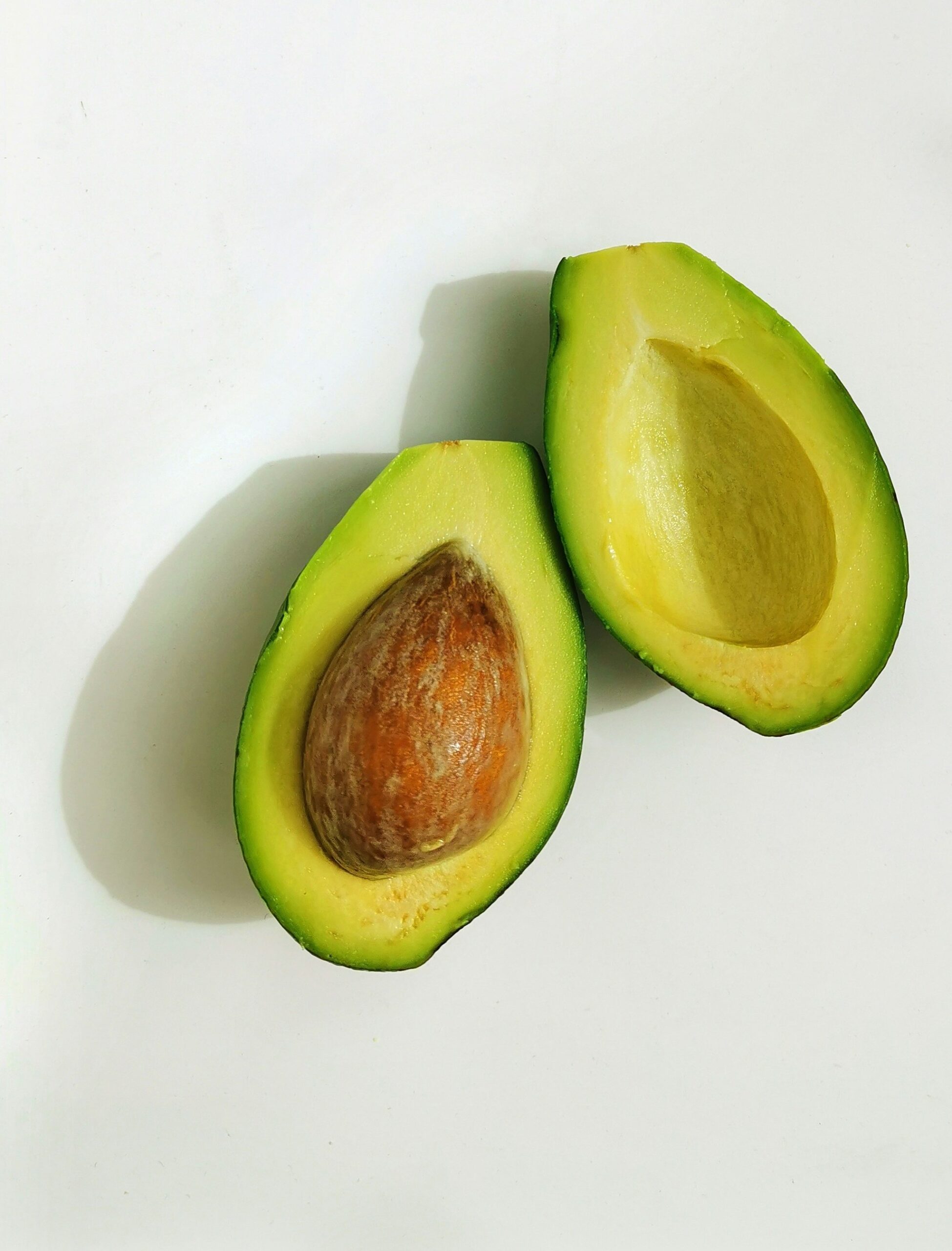
It is hard to find a single food that matches the nutrition profile of ova. It has healthy fat, no sugar, fiber, vitamins and minerals and its taste is impossible to replicate. Even more impressive, Uganda has numerous varieties of ovacado growing all over the place. From small, to big, to yellow, green, purple skinned and more.Simply walking down the road you are apt to find one dangling on a tree, ready for the taking.

Photo by Анна Ширяева on Unsplash
Until recently, ovacado was insanely cheap. It is still possible to find it at Ugandan friendly prices, especially in season, if you know where to shop. If all that fails and you have the space, you can plant a tree or two and reap in abundance.
6. Mukene versus Salmon
If you searched the internet for sources of Omega 3 you might think that as a Ugandan, you will die never having gotten it from a fish source. The reason is that the options that come up-Salmon specifically need to be shipped into the country. There is no need to worry though, mukene, which can be bought for as low as 500shs, is rich in Omega 3 fatty acids. It is also rich in protein, calcium and iron.
The delicious Onang nang from Pakwach stacks up very well when it comes to Omega 3 as well. Just see the research for yourself.

7. Guava versus Blueberries

Do you know what a Blueberry bush looks like? Me neither. But you can find them in higher end supermarkets all over the country. The price tag however locks out many shoppers.
The choice for Blueberries comes down to their rich profile in Vitamin C and fibre. No matter, the mighty Guava has Vitamin C in spades, about 20 times more than Blueberries in fact. It also has about twice the amount of fibre found in blueberries.
When it comes to superfoods, the list goes on and on, from Nile perch to fermented drinks like banana wine and fruits so rare to our supermarket shelves you will be surprised to learn they actually grow here.
Did I miss a critical one? Let me know.